Uav battery demand growth analysis
2024-05-16
1. Market size and development trend
According to the latest market research report, the global drone battery market is expected to reach $2477 million by 2029, with a compound annual growth rate of 10.3% CAGR in the next few years. This growth is mainly driven by the widespread adoption of drones in various industries and the continuous advancement of battery technology. Continuous advances in drone technology, including improvements in flight control systems, payload capabilities and flight capabilities, require more efficient and powerful batteries. Continuous developments in battery technology, such as improvements in energy density, charging efficiency, cycle life, and safety features, are driving the growth of the drone battery market.
2. Increasing demand in application areas
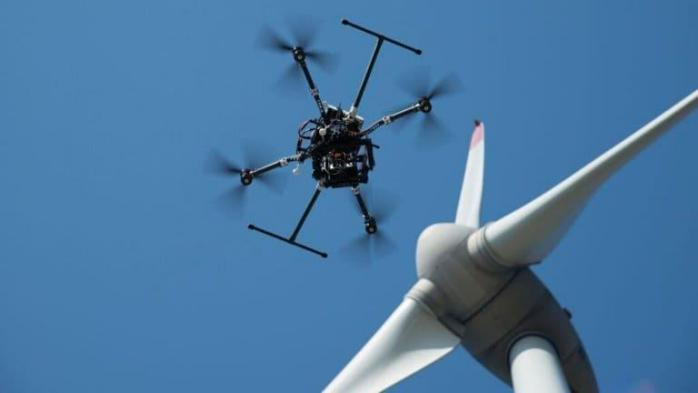
The range of applications for drones is expanding, from photography, videography, surveying, and agriculture to delivery services, inspections, and public safety. The increasing need for longer flight times is driving the demand for high-capacity batteries with higher energy density, enabling drones to operate for long periods of time without frequent battery replacement or recharging. In addition, drones have a wide range of applications in power, communications, meteorology, agriculture, forestry, ocean, film and television, law enforcement, rescue, express delivery and other fields, and have shown excellent technical effects and economic benefits in many fields.
3. Manufacturers and market pattern
Globally, major manufacturers of UAV batteries include Ningde New Energy Technology, Xinwang Da, Shenzhen Grep, Penghui Energy and EaglePicher, among which the top five manufacturers account for about 38.69% of the market share. At present, lithium polymer batteries are dominant, accounting for about 67% of the share. In the consumer UAV market, Shenzhen Grupp Battery Company, as the largest UAV battery manufacturer in China, said that "at present Grupt batteries and TATTU batteries occupy a relatively large market share.".

4. Technical challenges and market opportunities
Although the problem of short battery life is still a short board limiting the development of the drone industry, with the continuous progress of technology and the continuous reduction of the cost of hardware equipment such as lithium batteries, The market value of professional-grade drones in the fields of power inspection, film and television shooting, logistics express delivery, oil pipeline inquiry, application communication, meteorological environmental monitoring, agriculture and forestry operations, remote sensing mapping and other fields will also be gradually tapped, and will be widely promoted and used. In addition, battery manufacturers need to ensure that their products are compatible with different drone models, connectors, and power requirements to address the compatibility and standardization challenges that exist in the drone market.
5. Investment potential and market prospects
According to the research report, the global civil UAV lithium battery market size is about 8.8 billion yuan (RMB) in 2023, and is expected to reach 18.7 billion yuan in 2030, with a compound annual growth rate (CAGR) of 11.4% during the 2024-2030 period. This shows that the drone battery market has great development potential and investment potential. With the opening of policies and the expansion of UAV applications, the demand for UAV battery market is expected to maintain a rapid growth momentum.
In summary, the growth in demand for drone batteries is driven by a combination of factors, including the broadening of the drone application field, advances in battery technology, increased market development, and investor confidence in the industry. With continuous technological breakthroughs and growing market demand, the drone battery market is expected to achieve significant development in the next few years.
Market status and competition pattern analysis of global industrial UAV industry in 2024
Related Article
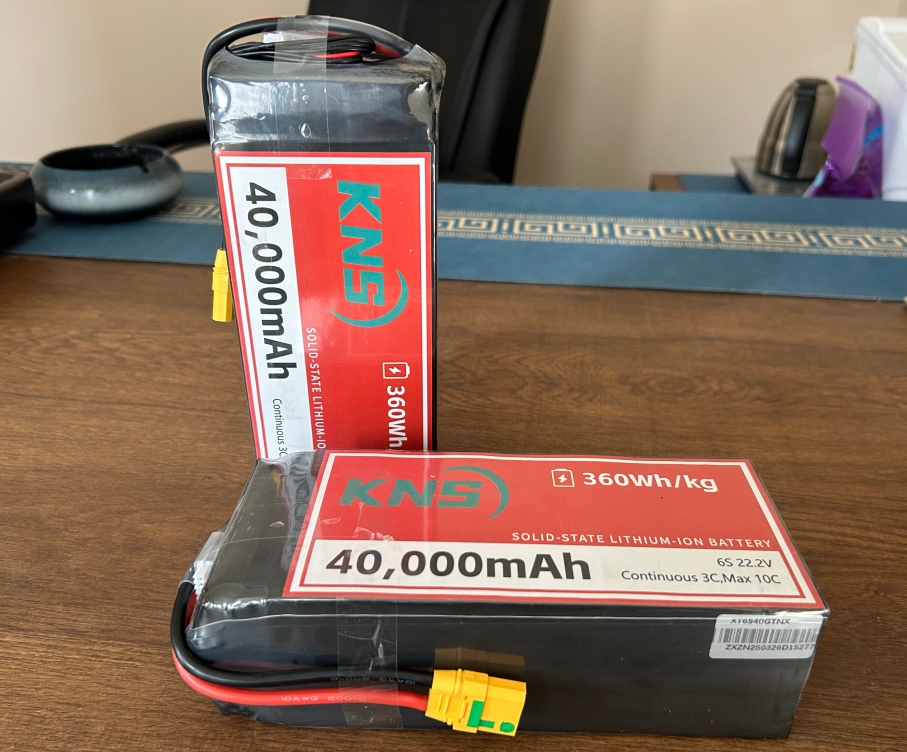
The Future of Flight is Solid: How KNS is Leading the 400Wh/kg Revolution in UAV Batteries
The Future of Flight is Solid: How KNS is Leading the 400Wh/kg Revolution in UAV Batteries
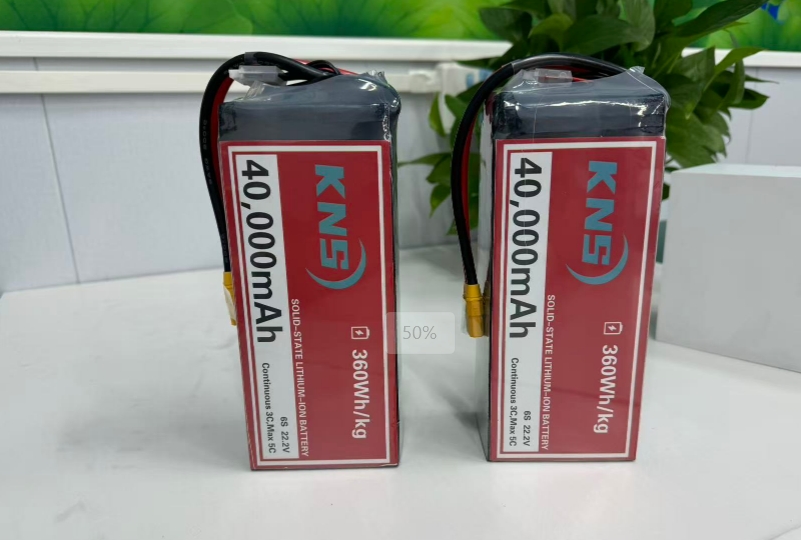
Why Settle for Less When You Can Have the Best?
Traditional lithium batteries are holding your drone back. KNS Solid-State Batteries unlock next-level power, safety, and flight time—backed by cutting-edge technology.
Traditional lithium batteries are holding your drone back. KNS Solid-State Batteries unlock next-level power, safety, and flight time—backed by cutting-edge technology.
Revolutionize Your Drone Performance with KNS Solid-State Drone Batteries!